The Critical Role of Veils in Beekeeping
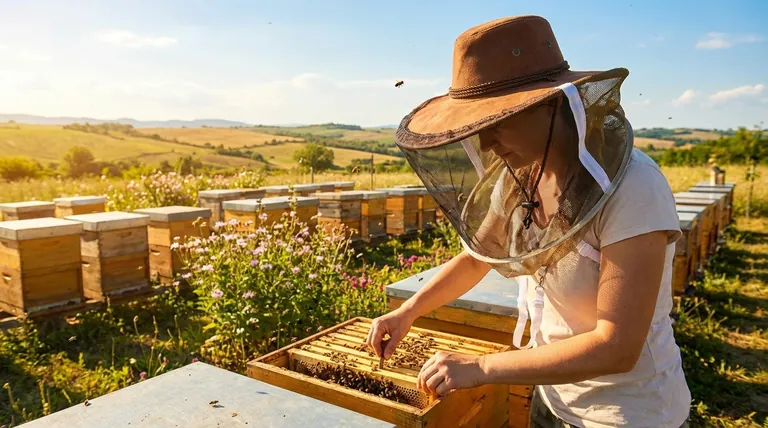
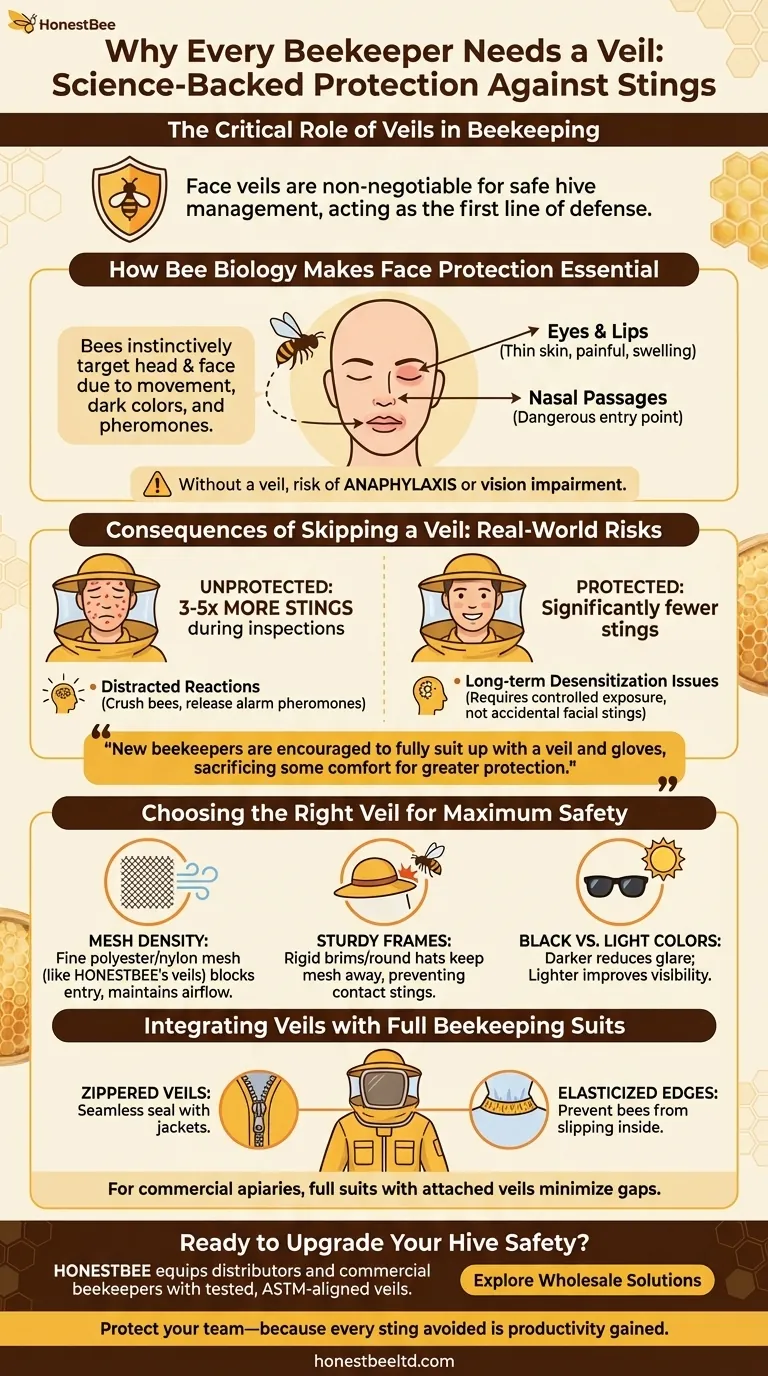
Beekeeping isn’t just about honey production—it’s a delicate interaction with highly defensive insects. Research shows that face veils are non-negotiable for safe hive management, acting as the first line of defense against painful stings.
How Bee Biology Makes Face Protection Essential
Bees instinctively target the head and face when threatened. Their compound eyes detect movement and dark colors, while their pheromone-triggered aggression makes exposed skin a high-risk zone. Consider these biological facts:
- Eyes and lips lack thick skin layers, making stings here more painful and prone to swelling.
- Nasal passages can become dangerous entry points if bees crawl inside.
Without a veil, even experienced beekeepers risk anaphylaxis or temporary vision impairment from stings near the eyes.
Consequences of Skipping a Veil: Real-World Risks
Field studies reveal that unprotected beekeepers endure 3–5x more stings during hive inspections than those wearing veils. The aftermath isn’t just physical:
- Distracted reactions to stings may crush bees, releasing alarm pheromones that escalate attacks.
- Long-term desensitization to stings (a goal for some) requires controlled exposure—not accidental facial stings.
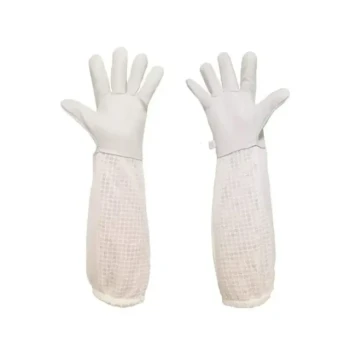
"New beekeepers are encouraged to fully suit up with a veil and gloves, sacrificing some comfort for greater protection."
Choosing the Right Veil for Maximum Safety
Not all veils offer equal protection. The ideal design balances visibility, breathability, and sting resistance.
Material Science: What Works Against Stings
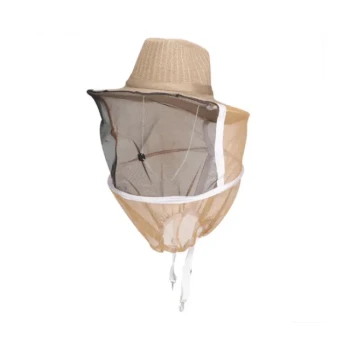
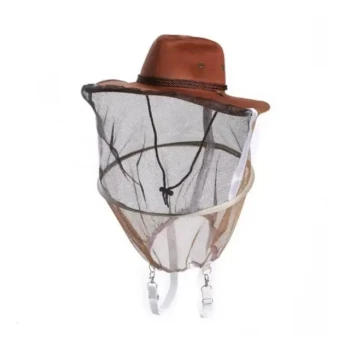
- Mesh Density: Fine polyester or nylon mesh (like those in HONESTBEE’s veils) blocks bee entry while maintaining airflow.
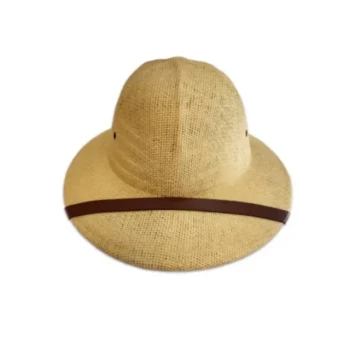
- Sturdy Frames: Rigid brims or round hats keep mesh away from the face, preventing contact stings.
- Black VS. Light Colors: Darker veils reduce glare but may absorb heat; lighter shades improve visibility in sunny apiaries.
Integrating Veils with Full Beekeeping Suits
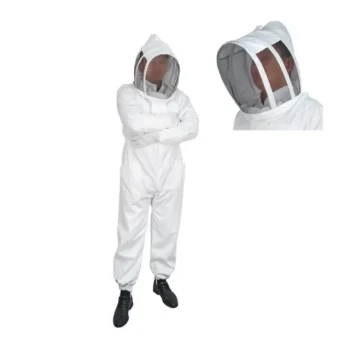
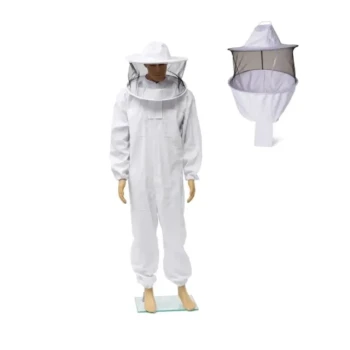
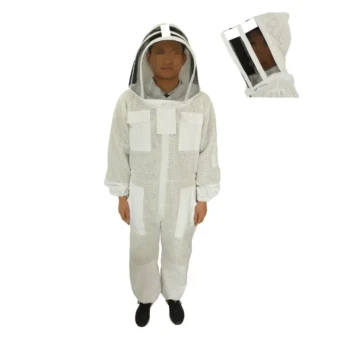
For commercial apiaries handling hundreds of hives, full suits with attached veils minimize gaps where bees could penetrate. Key integration tips:
- Zippered veils provide a seamless seal with jackets.
- Elasticized edges at the neck prevent bees from slipping inside.
Ready to Upgrade Your Hive Safety?
HONESTBEE equips distributors and commercial beekeepers with tested, ASTM-aligned veils that blend durability and comfort. Whether you’re managing backyard hives or large-scale apiaries, the right veil transforms risky work into confident beekeeping.
Explore how our wholesale-focused solutions can protect your team—because every sting avoided is productivity gained.
Guide Visuel
Produits associés
- Chapeau de Cowboy et Voile d'Apiculteur pour l'Apiculture
- Veste et voile d'apiculture en coton blanc pour les apiculteurs
- Voile de protection carré pliable en grillage pour apiculture
- Combinaison d'apiculteur premium en coton avec voile de protection renforcé
- Chapeau d'apiculteur Cowboy Premium avec voile de visibilité, équipement de protection professionnel pour l'apiculture en extérieur
Articles associés
- Le Voile est un Cockpit : Une Approche Systémique de la Concentration et de la Sécurité de l'Apiculteur
- How to Clean Beekeeping Veils Without Damaging Mesh or Visibility
- Au-delà de la ruche : le voile d'apiculteur comme outil de concentration
- Maillage noir, vision claire : l'ingénierie invisible du voile d'apiculteur
- Le point aveugle de l'apiculteur : l'ergonomie cognitive d'un voile