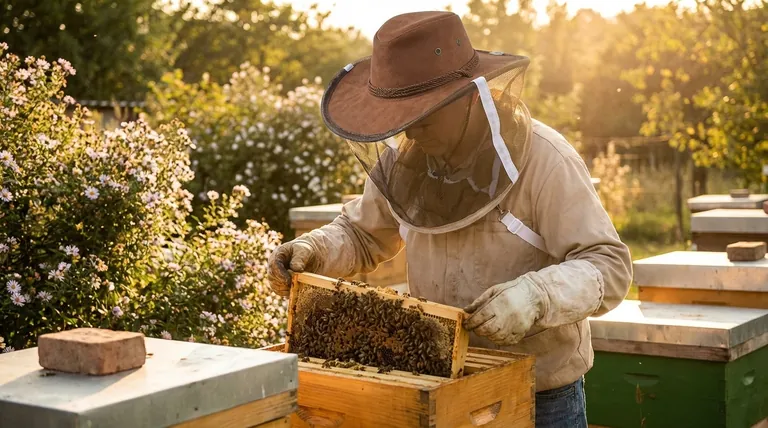
Beekeeping head protection isn't just about avoiding stings—it's about balancing safety, comfort, and adaptability to your environment. Whether you're a hobbyist inspecting a few hives or a commercial beekeeper managing hundreds, the right gear can mean the difference between productivity and frustration. This guide breaks down material durability, climate considerations, and activity-specific designs to help you make an informed choice.
Choosing the Right Beekeeping Head Protection
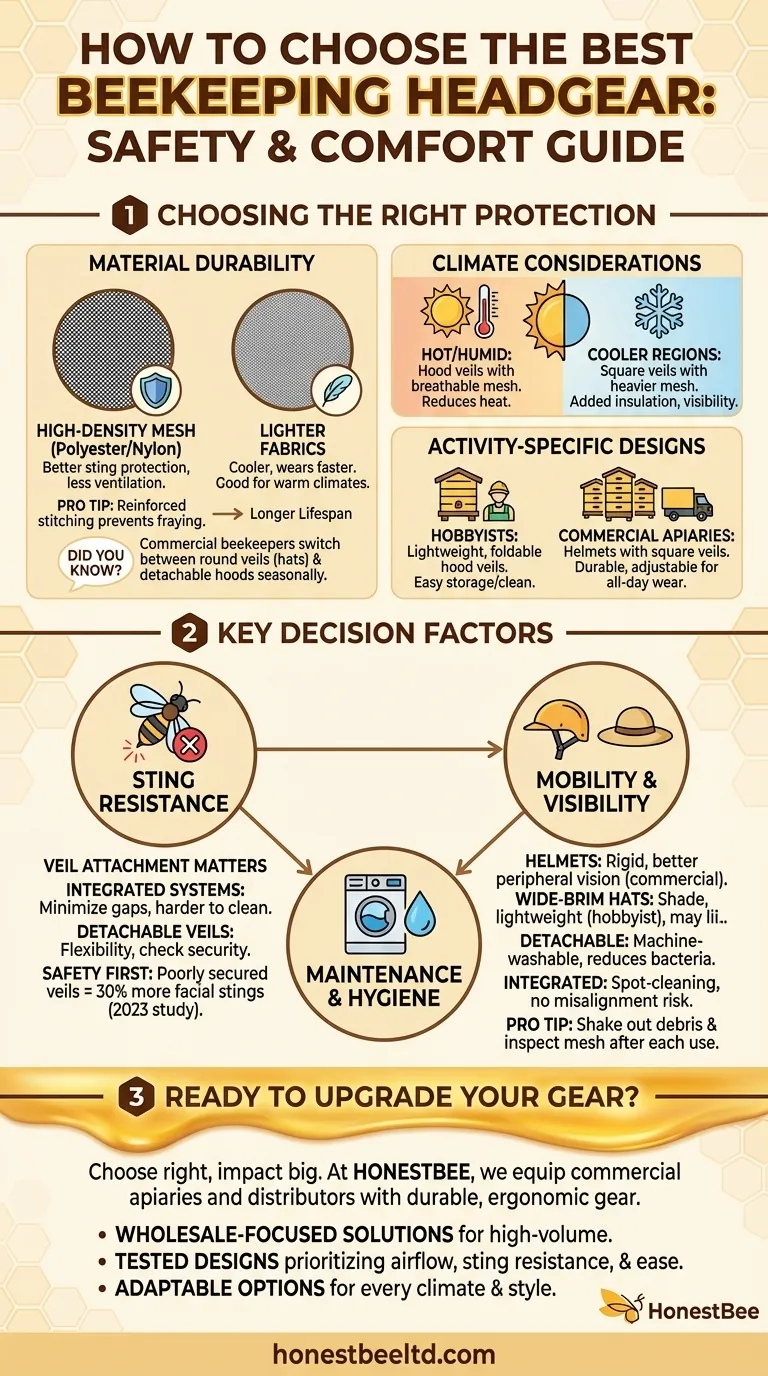
Material Durability: Balancing Mesh Density and Longevity
The ideal veil material offers sting resistance without sacrificing airflow. Research shows that:
- High-density mesh (like polyester or nylon) provides better sting protection but may reduce ventilation.
- Lighter fabrics are cooler in warm climates but may wear faster during frequent use.
Pro Tip: Look for reinforced stitching around the mesh edges—this prevents fraying and extends the veil’s lifespan.
Climate Considerations: Ventilation vs. Full Coverage
Your local weather dictates your headgear priorities:
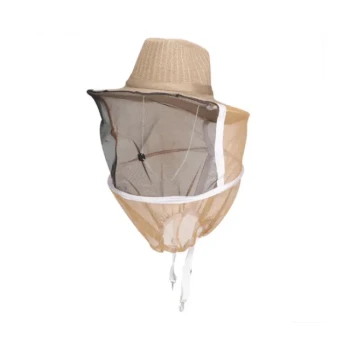
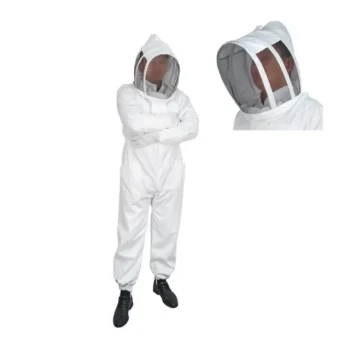
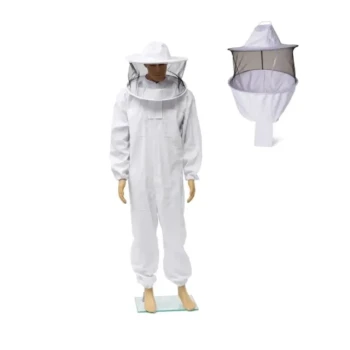
- Hot/humid climates: Opt for hood veils with breathable mesh and ample interior space to reduce heat buildup.
- Cooler regions: Square veils with heavier mesh offer added insulation while maintaining visibility.
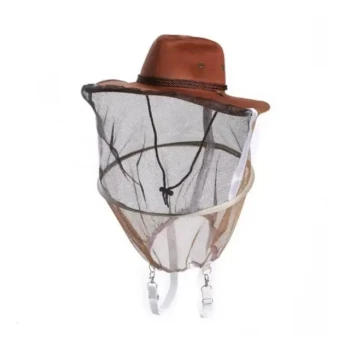
Did You Know? Some commercial beekeepers switch between round veils (built-in hats for sun protection) and detachable hoods based on seasonal needs.
Activity-Specific Designs: Hobbyist vs. Commercial Use
- Hobbyists: Lightweight, foldable hood veils are ideal for occasional use. They’re easy to store and clean.
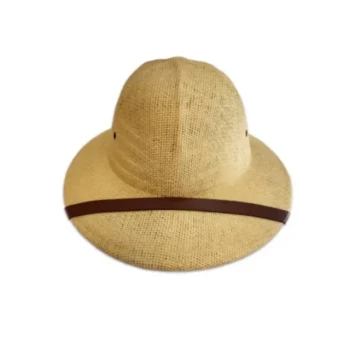
- Commercial apiaries: Helmets with square veils provide durability for all-day wear, often featuring adjustable bands for a secure fit.
Key Decision Factors for Beekeepers
Sting Resistance: How Veil Attachment Affects Safety
The way your veil connects to your suit matters:
- Integrated systems (sewn into jackets) minimize gaps but are harder to clean.
- Detachable veils offer flexibility but require regular checks for secure fastening.
Safety First: A 2023 field study noted that beekeepers using poorly secured veils experienced 30% more facial stings.
Mobility and Visibility: Helmet vs. Traditional Hat Designs
- Helmets: Provide rigid structure and better peripheral vision—critical for commercial operations with heavy hive traffic.
- Wide-brim hats: Preferred by hobbyists for their shade and lightweight feel, though they may limit visibility during hive inspections.
Maintenance and Hygiene: Detachable vs. Integrated Systems
- Detachable veils can be machine-washed, reducing odor and bacteria buildup.
- Integrated hoods require spot-cleaning but eliminate the risk of misalignment during reassembly.
Pro Tip: After each use, shake out your veil to remove debris and inspect the mesh for tears.
Ready to Upgrade Your Beekeeping Gear?
Choosing the right head protection is a small decision with a big impact on your beekeeping experience. At HONESTBEE, we equip commercial apiaries and distributors with durable, ergonomic gear designed for all-day comfort and unmatched safety.
Why Choose HONESTBEE?
- Wholesale-focused solutions for high-volume beekeeping operations
- Tested designs that prioritize airflow, sting resistance, and ease of maintenance
- Adaptable options for every climate and beekeeping style
Explore our range today and work smarter—not harder—in the hive.
Products You Might Be Looking For:
View professional beekeeping hats with veils
Guide Visuel
Produits associés
- Chapeau de Cowboy et Voile d'Apiculteur pour l'Apiculture
- Chapeau d'apiculture carré pliable avec voile intégré
- Chapeau d'apiculteur Cowboy Premium avec voile de visibilité, équipement de protection professionnel pour l'apiculture en extérieur
- Combinaison d'apiculteur premium en coton avec voile de protection renforcé
- Chapeau d'apiculteur haute définition avec voile rond en maille pour l'apiculture
Articles associés
- Le point aveugle de l'apiculteur : l'ergonomie cognitive d'un voile
- Gérer la Volatilité : Le Voile, l'Interface la Plus Critique de l'Apiculteur
- How to Clean Beekeeping Veils Without Damaging Mesh or Visibility
- Comment choisir un voile d'apiculture : sécurité et confort pour les débutants
- Au-delà de la ruche : le voile d'apiculteur comme outil de concentration