Modern beekeepers increasingly prioritize systems that balance productivity with ecological harmony. Horizontal Top-Bar Hives (HTBHs) have emerged as a compelling alternative to conventional Langstroth or Warre hives by simplifying hive management while supporting natural bee behaviors. This evidence-based guide examines HTBHs’ operational advantages, practical implementation steps, and real-world success stories—equipping you to make an informed transition.
Horizontal Top-Bar Hives: Modern Beekeeping Simplified
How HTBHs Reduce Complexity in Hive Management
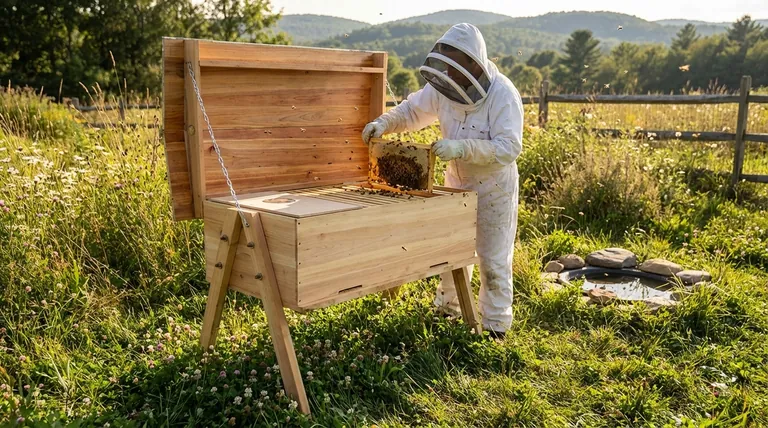
HTBHs eliminate the need for heavy lifting and complex manipulations inherent in stacked vertical hives. Unlike Langstroth systems requiring seasonal box additions and specialized tools, HTBHs operate as single-chamber units where bees build natural combs from starter strips. This design offers three key benefits:
-
Ergonomic Accessibility
Inspections involve sliding out individual top bars rather than lifting 50+ pound honey supers. Beekeepers report reduced physical strain, making HTBHs ideal for those with mobility limitations. -
Natural Comb Construction
Bees build free-hanging combs without synthetic foundation sheets, aligning with their instinctive hive architecture. Research suggests this may lower colony stress and improve disease resistance. -
Minimal Equipment Dependency
Harvesting requires only a knife and containers—no extractors or capping tanks. This lowers barriers for small-scale beekeepers.
Cost Savings Compared to Langstroth and Warre Hives
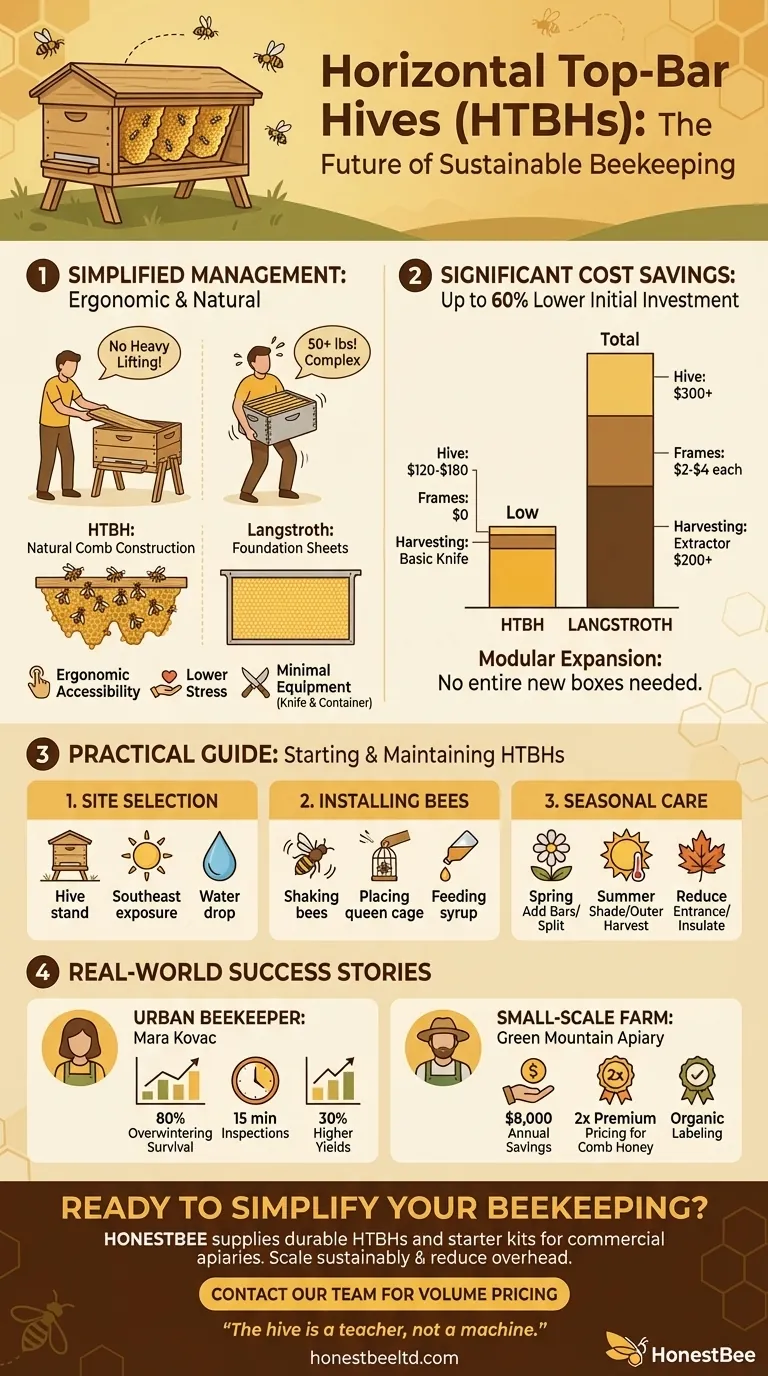
HTBHs cut initial investments by approximately 40–60% versus Langstroth setups. A typical comparison:
| Expense | HTBH | Langstroth |
|---|---|---|
| Hive Body | $120–$180 (wood) | $300+ (multiple boxes) |
| Frames/Foundations | Not needed | $2–$4 per frame |
| Harvesting Tools | Basic knife | $200+ for extractor |
Additionally, HTBHs’ modular bars allow incremental expansion, avoiding the need to purchase entire additional hive bodies.
Practical Guide to Starting with Horizontal Top-Bar Hives
Step-by-Step Hive Setup and Comb Inspection Best Practices
-
Site Selection
Place the hive on a level stand in partial shade, facing southeast for morning sun exposure. Ensure a nearby water source. -
Installing Bees
For package bees:- Shake bees gently into the hive
- Place the queen cage between two top bars
- Feed 1:1 sugar syrup for 2–3 weeks
-
Comb Inspections
Conduct checks every 7–10 days during active seasons:- Look for symmetrical, pearly-white combs (darkening indicates aging wax)
- Ensure the queen’s brood pattern is solid (no scattered cells)
- Monitor honey stores in the rear bars
Seasonal Maintenance and Swarm Prevention Strategies
HTBHs naturally mitigate swarming through their horizontal space, but proactive management helps:
- Spring: Add empty bars to the hive’s edges as colonies expand. Split overcrowded hives by transferring 4–5 brood bars to a new HTBH.
- Summer: Provide shade to prevent wax melting. Harvest honey only from the outermost bars to preserve brood nest integrity.
- Fall: Reduce hive entrances to deter pests. Insulate the hive in colder climates.
Real-World Success Stories
Case Study: Urban Beekeeper’s 3-Year HTBH Journey
Portland hobbyist Mara Kovac switched from Langstroth to HTBHs in 2020, citing:
- Time savings: Inspections dropped from 45 to 15 minutes per hive
- Higher survival rates: 80% overwintering success vs. 60% with Langstroth
- Pollination impact: Her garden’s squash yields increased by 30%
Sustainable Honey Production in Small-Scale Farming
Vermont’s Green Mountain Apiary uses HTBHs for their 50-hive operation, achieving:
- Lower operational costs: Saved ~$8,000 annually on equipment
- Premium product pricing: Comb honey sells for 2x the price of extracted varieties
- Eco-certification: Chemical-free comb construction qualified them for organic labeling
Ready to Simplify Your Beekeeping?
HONESTBEE supplies durable, cedar HTBHs and starter kits designed for commercial apiaries and distributors. Our wholesale-focused inventory helps beekeeping businesses scale sustainably while reducing equipment overhead. [Contact our team] to discuss volume pricing and seasonal availability.
"The hive is a teacher, not a machine." —Adapted from natural beekeeping principles.
Guide Visuel
Produits associés
- Long Langstroth Style Horizontal Top Bar Hive for Wholesale
- Ruche à barrettes pour l'apiculture Wholesales Kenya Top Bar Hive
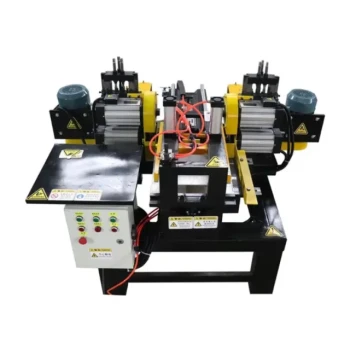
- HONESTBEE Machine de formage de barres supérieures et inférieures de précision pour la production de cadres de ruches
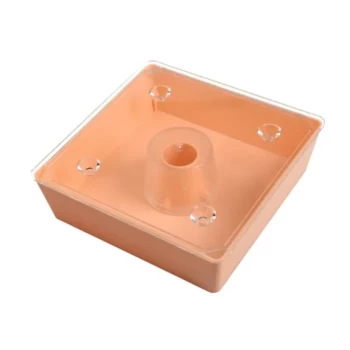
- HONESTBEE Square Top Hive Feeder Nourrisseur d'abeilles Top Bee Feeder
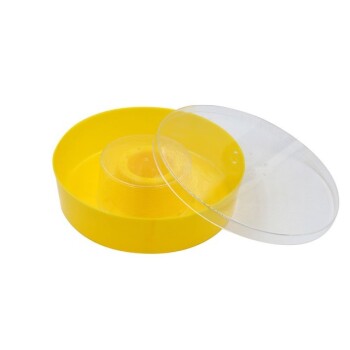
- HONESTBEE Nourrisseur de ruche rond pour sirop
Articles associés
- Comment inspecter les ruches à barrettes supérieures sans endommager les rayons : Guide de l'apiculteur
- Comment les ruches à barres supérieures simplifient l'apiculture naturelle pour les amateurs
- Top Bar Hives : Une approche durable pour une apiculture respectueuse des abeilles
- Architecture de la ruche et le paradoxe hivernal : pourquoi la rétention de chaleur ne suffit pas
- Au-delà de la boîte : La psychologie de l'espace dans l'apiculture à barreaux supérieur