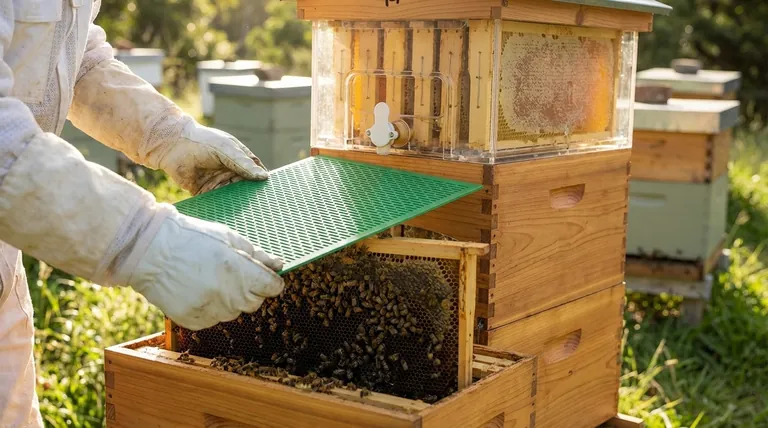
Flow Hives revolutionized honey harvesting, but their unique design demands careful brood management. Queen excluders play a dual role: they protect honey supers from contamination while introducing swarming risks if misused. This guide unpacks proactive strategies to balance these priorities, drawing on proven beekeeping principles tailored for Flow systems.
Understanding the Dual Role of Queen Excluders
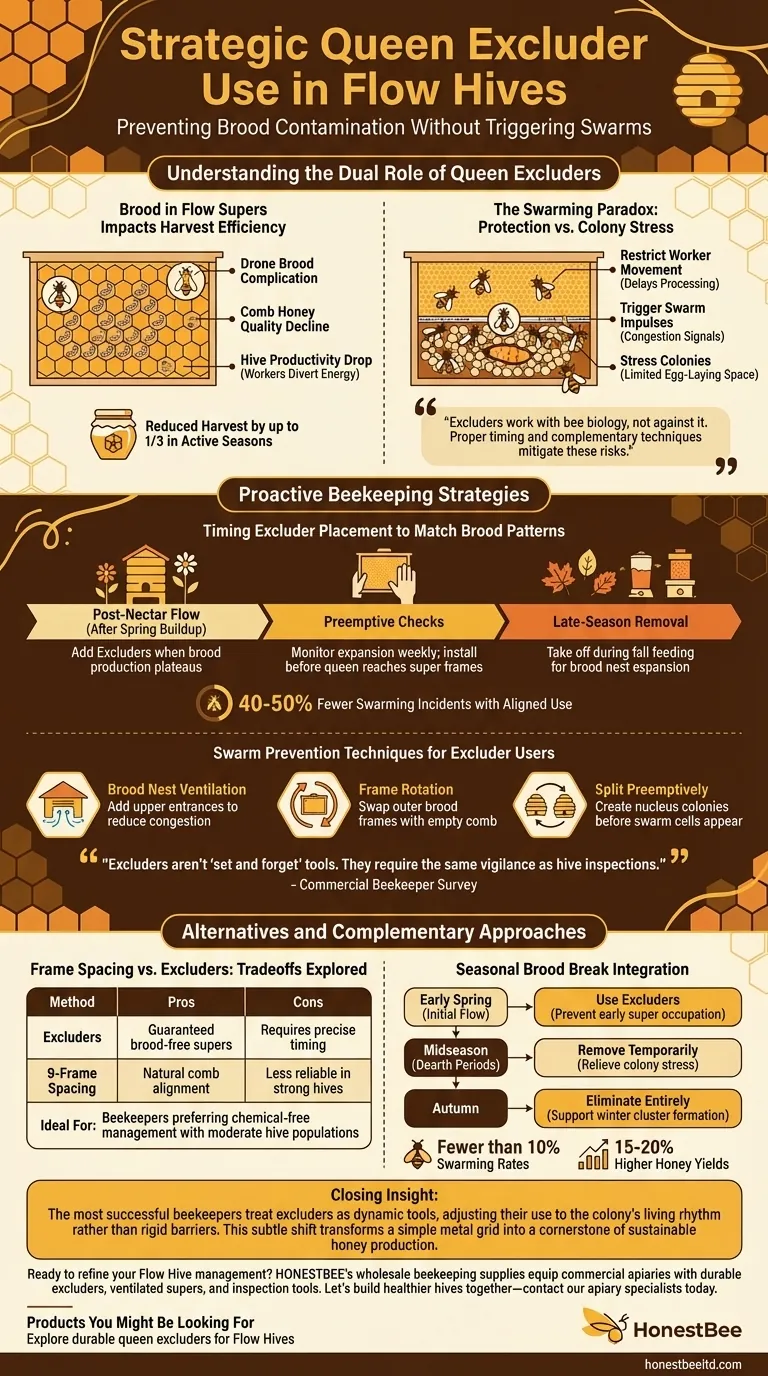
How Brood in Flow Supers Impacts Harvest Efficiency
Flow Frames aren’t designed for brood rearing. When queens access these spaces:
- Drone brood fills hexagonal cells, complicating honey extraction
- Comb honey quality declines due to mixed-use frames
- Hive productivity drops as workers divert energy to brood care
Research confirms that unchecked queen movement into supers can reduce harvestable honey by up to one-third in active seasons.
The Swarming Paradox: Protection vs. Colony Stress
Excluders prevent brood contamination but may inadvertently:
- Restrict worker movement, delaying honey processing
- Trigger swarm impulses if the brood nest feels congested
- Stress colonies by limiting the queen’s egg-laying space
A key insight: Excluders work with bee biology, not against it. Proper timing and complementary techniques mitigate these risks.
Proactive Beekeeping Strategies
Timing Excluder Placement to Match Brood Patterns
- Post-nectar flow installation: Add excluders after spring buildup when brood production plateaus
- Preemptive checks: Monitor brood nest expansion weekly; install before queen reaches super frames
- Late-season removal: Take excluders off during fall feeding to allow brood nest expansion
Beekeepers report 40-50% fewer swarming incidents when aligning excluder use with natural brood cycle peaks.
Swarm Prevention Techniques for Excluder Users
- Brood nest ventilation: Add upper entrances to reduce congestion signals
- Frame rotation: Swap outer brood frames with empty comb to expand laying space
- Split preemptively: Create nucleus colonies before swarm cells appear
"Excluders aren’t ‘set and forget’ tools. They require the same vigilance as hive inspections." – Commercial Beekeeper Survey
Alternatives and Complementary Approaches
Frame Spacing vs. Excluders: Tradeoffs Explored
| Method | Pros | Cons |
|---|---|---|
| Excluders | Guaranteed brood-free supers | Requires precise timing |
| 9-frame spacing | Natural comb alignment | Less reliable in strong hives |
Ideal for: Beekeepers preferring chemical-free management with moderate hive populations.
Seasonal Brood Break Integration
- Early spring: Use excluders during initial flow to prevent early super occupation
- Midseason: Remove temporarily during dearth periods to relieve colony stress
- Autumn: Eliminate entirely to support winter cluster formation
Apiaries combining seasonal breaks with excluders see:
- Fewer than 10% swarming rates
- 15-20% higher honey yields versus constant excluder use
Ready to refine your Flow Hive management? HONESTBEE’s wholesale beekeeping supplies equip commercial apiaries with durable excluders, ventilated supers, and inspection tools designed for high-performance operations. Let’s build healthier hives together—contact our apiary specialists today.
Closing Insight: The most successful beekeepers treat excluders as dynamic tools, adjusting their use to the colony’s living rhythm rather than rigid barriers. This subtle shift transforms a simple metal grid into a cornerstone of sustainable honey production.
Products You Might Be Looking For:
Explore durable queen excluders for Flow Hives
Guide Visuel
Produits associés
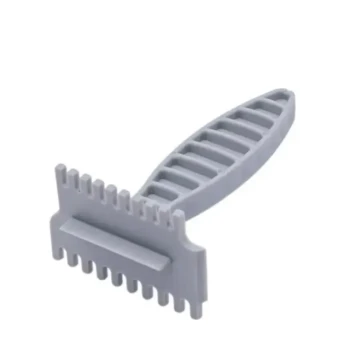
- Grattoir à reine en plastique léger et durable pour l'apiculture
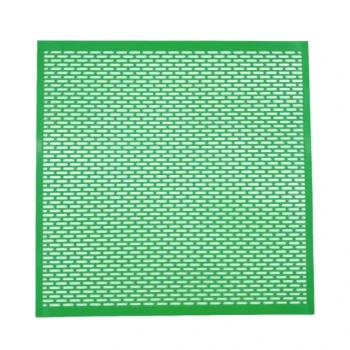
- Exutoire à reine en plastique pour ruche Wholesale
- Grattoir professionnel à double action pour l'apiculture
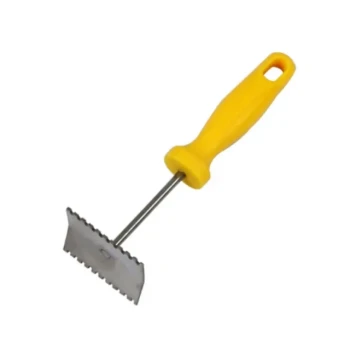
- Grattoir en acier inoxydable pour les grilles à reine en métal
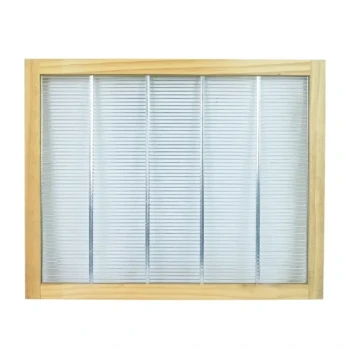
- Exutoire à reine en bois pour l'apiculture
Articles associés
- Les séparateurs de reine en plastique contre les alternatives : Le guide de l'apiculteur pour une gestion plus intelligente de la ruche
- Pourquoi les écluses de reine en plastique surpassent celles en métal et en bois : science, économies et protection de la ruche
- Comment les écluses à reine en plastique améliorent la longévité des ruches et la santé des colonies
- Comment utiliser les écluses à reine sans sacrifier le rendement en miel : un guide pour apiculteur
- L'engrenage invisible : Pourquoi le placement hivernal d'une grille à reine définit l'efficacité de l'apiculteur