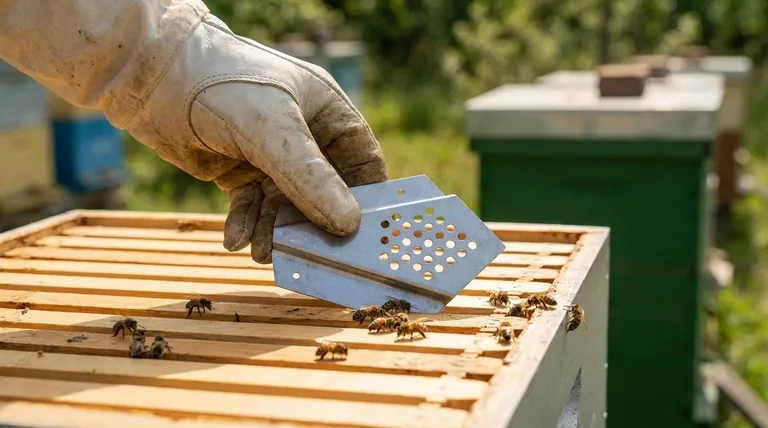
For beekeepers preparing for honey extraction, efficiently removing bees from frames is a critical step that impacts both product quality and colony welfare. This guide details proven methods to balance operational efficiency with ethical beekeeping practices, ensuring your honey harvest meets commercial standards while maintaining healthy hives.
Preparing Frames for Extraction: Balancing Efficiency and Bee Welfare
Successful honey extraction begins long before the extractor starts spinning. How you clear bees from frames directly affects:
- Honey purity (reduced contamination risk)
- Colony stress levels (minimized disruption = healthier bees)
- Operational efficiency (faster turnaround between harvests)
Minimizing Colony Disturbance During Frame Clearing
Bees instinctively protect their honey stores. Aggressive removal methods trigger defensive behaviors that:
- Increase stinging incidents
- Cause honey spills that attract pests
- Disrupt brood patterns
Research-backed low-stress techniques:
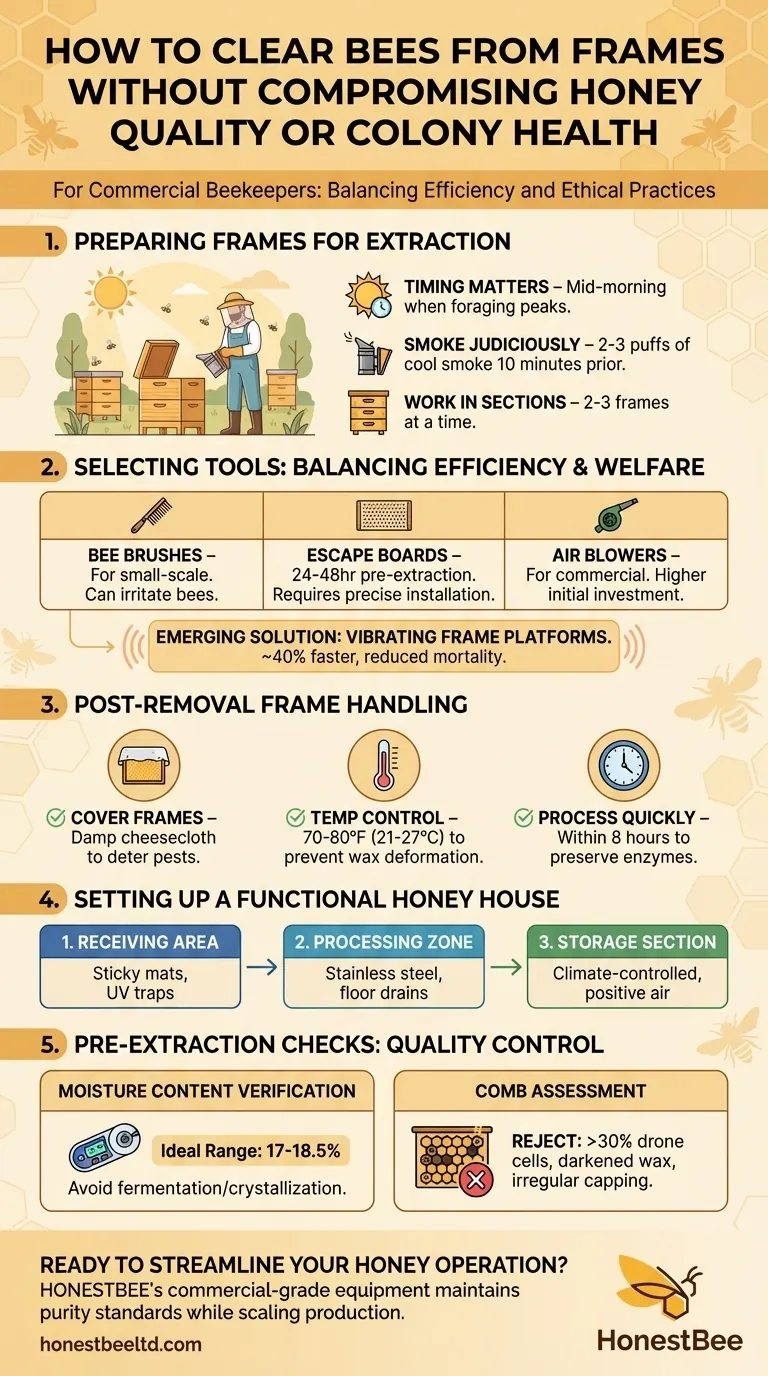
- Timing matters – Clear frames mid-morning when foraging activity peaks, reducing hive population density.
- Smoke judiciously – 2-3 puffs of cool smoke at the entrance 10 minutes before opening calms bees without overstimulation.
- Work in sections – Remove only 2-3 frames at a time from each super, allowing bees to redistribute naturally.
Selecting Tools: Bee Brushes, Escape Boards, and Alternatives
| Tool | Best For | Considerations |
|---|---|---|
| Bee brushes | Small-scale operations | Can irritate bees if overused |
| Escape boards | 24-48hr pre-extraction | Requires precise installation |
| Air blowers | Commercial apiaries | Higher initial investment |
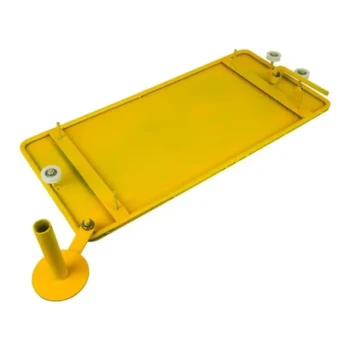
Emerging solution: Some commercial beekeepers report success with vibrating frame platforms that encourage bees to vacate combs without physical contact. While research is ongoing, early adopters note:
- ~40% faster clearing versus traditional methods
- Reduced worker bee mortality rates
Post-Removal Frame Handling and Transport Protocols
Once cleared, frames remain vulnerable to:
- Robbing behavior from other colonies
- Heat damage if left in direct sunlight
- Moisture absorption altering honey viscosity
Preservation checklist:
✔ Cover frames with damp cheesecloth during transport to deter pests while allowing airflow
✔ Maintain storage temperatures between 70-80°F (21-27°C) to prevent wax deformation
✔ Process frames within 8 hours of removal to preserve enzymatic honey qualities
Setting Up a Functional Honey House
A well-designed processing space prevents quality losses that cost commercial operators up to 15% of their harvest value annually.
Sanitation and Workflow Design for Contamination Prevention
Zoning principles for contamination control:
-
Receiving area – Where frames enter, equipped with:
- Sticky mats to catch hive debris
- UV fly traps for airborne contaminants
-
Processing zone – Central workspace requiring:
- Food-grade stainless steel surfaces
- Floor drains with sediment traps
-
Storage section – Climate-controlled with:
- Positive air pressure to exclude dust
- Rodent-proof container systems
Pre-Extraction Checks: Moisture Control and Comb Integrity
Two hidden factors that determine marketability:
1. Moisture content verification
- Use refractometers to test sample frames
- Ideal range: 17-18.5% moisture (varies by honey type)
- Overly humid honey risks fermentation; below 16% may crystallize prematurely
2. Comb assessment
-
Reject frames with:
-
30% drone cells (indicates potential mite issues)
- Darkened wax (accumulated pesticides/propolis)
- Irregular capping patterns (possible disease signs)
-
Ready to streamline your honey operation? HONESTBEE’s commercial-grade equipment helps apiaries maintain purity standards while scaling production. Explore our wholesale solutions designed for beekeepers who prioritize both yield and bee health.
This guide synthesizes field-tested practices from commercial beekeepers, with all recommendations adaptable to varied operation sizes. Always observe local regulations regarding honey processing facilities.
Guide Visuel
Produits associés
- Cadres à abeilles en bois assemblés avec fondation en plastique pour la durabilité et la commodité par HONESTBEE
- Cadres à abeilles en bois assemblés avec fondation en cire d'abeille, prêts à l'emploi par HONESTBEE
- HONESTBEE Cadres à abeilles en bois câblés et assemblés Fondation pour une ruche prospère
- Cadre de ruche en plastique pour l'apiculture Cadre de ruche en plastique pour la vente en gros
- Machine professionnelle HONESTBEE pour le façonnage des cadres de ruche (barres latérales)
Articles associés
- Au-delà du raclage : une approche systémique de la gestion des cadres de ruche
- La Ruche Pragmatique : Ingénierie de la Résilience avec Cadres en Bois et Cire Plastique
- Pourquoi les cadres de ruche en bois surpassent les alternatives : science, durabilité et expériences d'apiculteurs
- Pourquoi vos cadres en plastique se déforment – et vous coûtent plus cher que vous ne le pensez
- Cadres de ruche en bois ou en plastique : L'équilibre entre durabilité et praticité