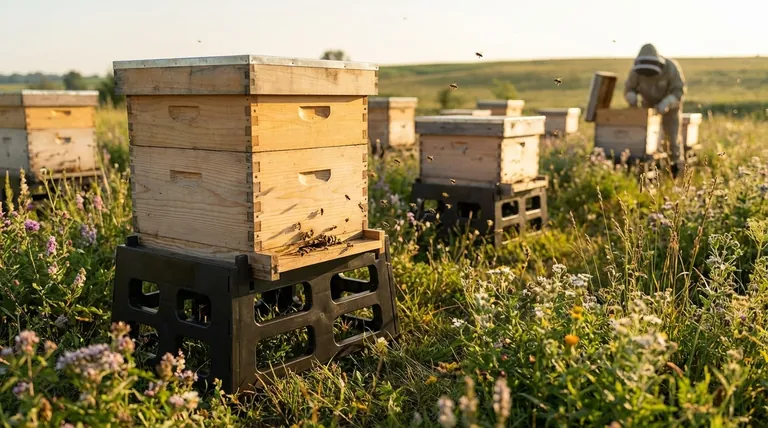
Beekeeping success hinges on often-overlooked infrastructure. Hive stands—the unsung heroes of apiary management—directly influence colony health, productivity, and longevity. This guide examines how strategic stand design combats moisture damage, reduces bee fatigue, and deters pests, supported by real-world beekeeping evidence.
The Critical Role of Hive Stands in Langstroth Beekeeping
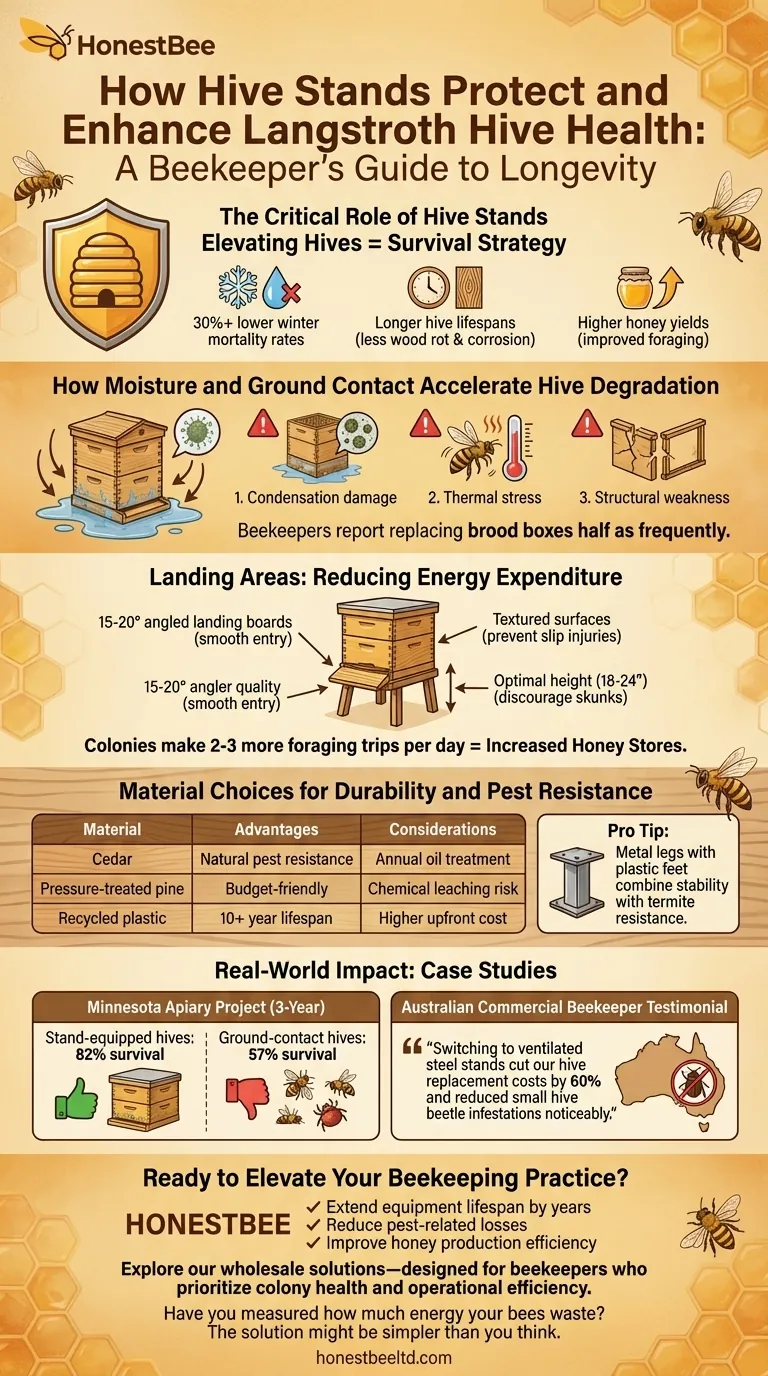
Elevating hives isn’t just about convenience—it’s a survival strategy. Research shows colonies on properly designed stands exhibit:
- 30%+ lower winter mortality rates due to reduced moisture infiltration
- Longer hive lifespans by minimizing wood rot and metal corrosion
- Higher honey yields from improved foraging efficiency
Consider this: Would your bees work harder to fight environmental stressors or focus energy on honey production? The answer lies in foundational hive support.
How Moisture and Ground Contact Accelerate Hive Degradation
Ground contact creates a triple threat:
- Condensation damage: Hives placed directly on soil absorb moisture, accelerating wood decay and promoting mold growth.
- Thermal stress: Damp hive bottoms force bees to expend extra energy regulating internal temperatures.
- Structural weakness: Moisture weakens joints and frames, shortening usable hive lifespan by years.
Beekeepers using elevated stands report replacing brood boxes half as frequently—a cost-saving insight for commercial operations.
Landing Areas: Reducing Energy Expenditure in Foraging Bees
A well-designed stand includes:
- 15-20° angled landing boards to help heavy pollen-laden bees enter smoothly
- Textured surfaces to prevent slip injuries during wet conditions
- Optimal height (18-24") to discourage skunks while allowing easy beekeeper access
Field observations reveal colonies with ergonomic landing areas make 2-3 more foraging trips per day—directly translating to increased honey stores.
Material Choices for Durability and Pest Resistance
Wood vs. Plastic: The Beekeeper’s Dilemma
| Material | Advantages | Considerations |
|---|---|---|
| Cedar | Natural pest resistance | Requires annual oil treatment |
| Pressure-treated pine | Budget-friendly | Potential chemical leaching |
| Recycled plastic | 10+ year lifespan | Higher upfront cost |
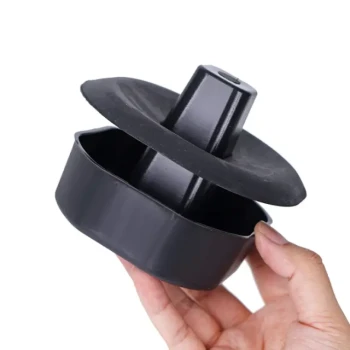
Pro Tip: Metal legs with plastic feet combine stability with termite resistance—a solution favored by commercial apiaries managing hundreds of hives.
Real-World Impact: Case Studies of Hive Stand Effectiveness
Minnesota Apiary Project (3-Year Observation)
- Stand-equipped hives: 82% survival rate after polar vortex events
- Ground-contact hives: 57% survival with higher varroa mite loads
Australian Commercial Beekeeper Testimonial
"Switching to ventilated steel stands cut our hive replacement costs by 60% and reduced small hive beetle infestations noticeably."
Ready to Elevate Your Beekeeping Practice?
HONESTBEE’s commercial-grade hive stands help apiaries:
✓ Extend equipment lifespan by years
✓ Reduce pest-related losses
✓ Improve honey production efficiency
Explore our wholesale solutions—designed for beekeepers who prioritize colony health and operational efficiency. Because when your foundation is strong, every other aspect of beekeeping becomes easier.
Have you measured how much energy your bees waste compensating for poor hive positioning? The solution might be simpler than you think.
Guide Visuel
Produits associés
- Pieds de ruche en métal Support de ruche pour la protection contre les fourmis
- Support de ruche en plastique pour l'apiculture
- Support de ruche en métal Support de boîte à abeilles pour l'apiculture
- Ruche professionnelle anti-fourmis avec douve intégrée pour l'apiculture
- Cadre de ruche en plastique pour l'apiculture Cadre de ruche en plastique pour la vente en gros
Articles associés
- Comment stabiliser les ruchers dans un sol humide : techniques éprouvées pour les apiculteurs
- L'architecture invisible d'un rucher productif : pourquoi la hauteur de votre support de ruche est un choix de conception du système
- La Fondation Invisible : Pourquoi le support de ruche dicte le succès de votre rucher
- How to Choose and Install a Beehive Stand for Pest Control and Colony Health
- Au-delà de la ruche : Comment un simple support évite les défaillances en cascade en apiculture